
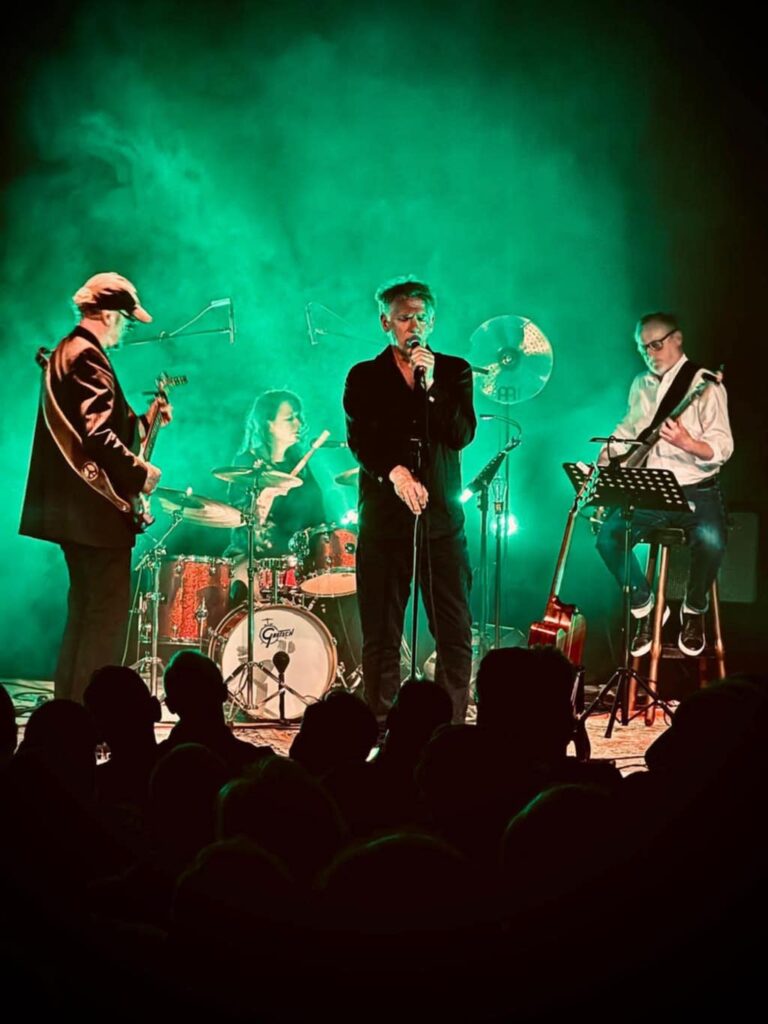
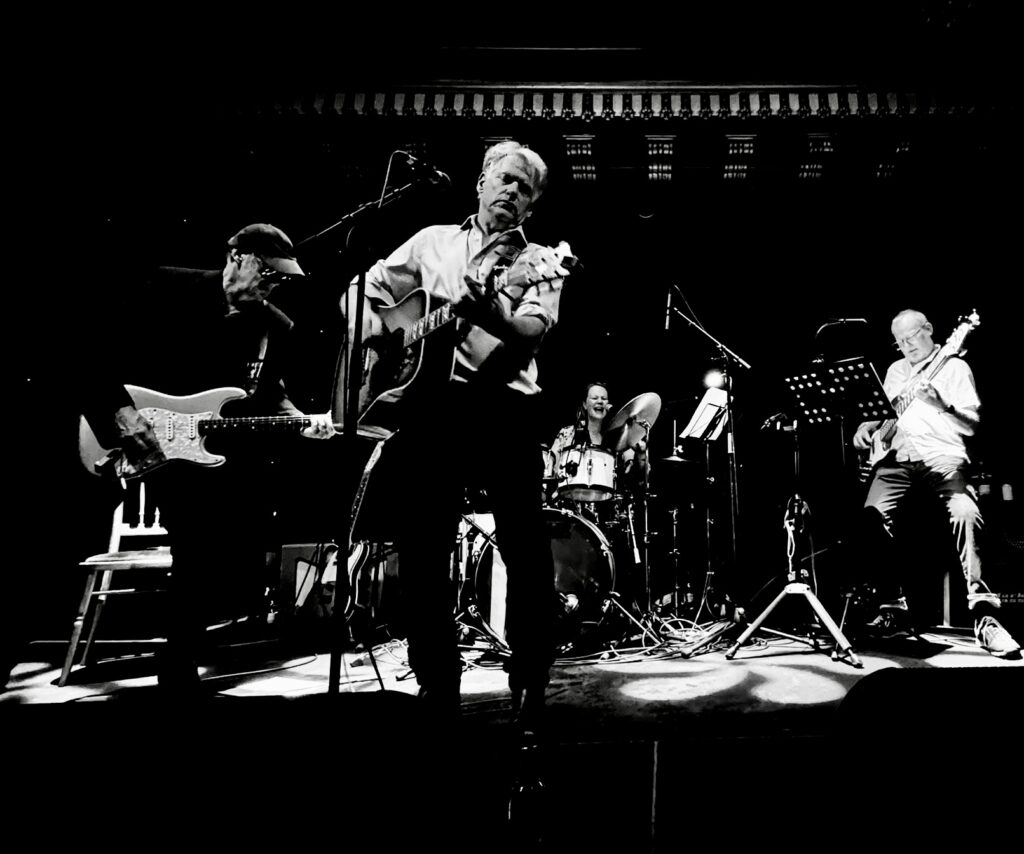
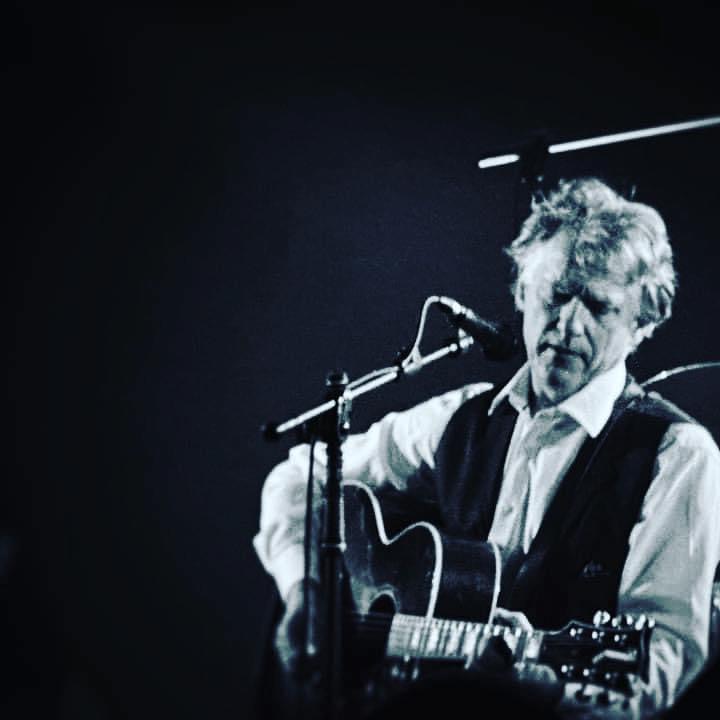
Qui n’a jamais entendu le timbre chaud et singulier de Chris Thomson, chanteur et compositeur du groupe écossais The Bathers, a beaucoup de chance. Dans une veine lyrique et poétique, alliant tour à tour guitare, piano, trompette ou orchestre symphonique, le groupe a publié depuis sa création en 1987 une série d’albums magnifiques, accompagnés par un best-of en 2001, et un dernier opus sorti en 2023 intitulé Sirenesque. De son adolescence en pleine période punk à sa collaboration avec l’ex-chanteuse des mythiques Cocteau Twins, Liz Fraser, Chris Thomson revient sur la création et le parcours d’un groupe qui a jusqu’ici connu un succès davantage critique que public, et qui reste surtout célèbre sur la scène de Glasgow. Un état de fait que l’on ne peut que regretter tant cette musique, souvent bouleversante, toujours exaltante, est l’œuvre d’un artiste qui n’hésite pas à se mettre à nu.
ENGLISH VERSION BELOW
Lightofmylife : Tout d’abord, je voudrais vous remercier de m’accorder cette interview. J’écoute votre musique depuis longtemps, donc c’est un véritable honneur.
Chris Thomson : Ça me fait vraiment plaisir d’entendre ça. Merci beaucoup.
Quand avez-vous commencé à jouer de la musique ?
Je ne me suis mis à la musique qu’à environ 15 ans. On était des ados au lycée quand quelqu’un a proposé : « On forme un groupe. » Personne ne savait jouer d’un instrument. Mais à cette époque, le punk rock, c’était le truc, donc ce n’était pas si grave. C’était surtout une question d’attitude. J’avais envie d’écrire mes propres chansons. C’est parti de là. On était quatre ou cinq amis dans la même situation, incapables de jouer, mais on voulait jouer. On a appris un peu les uns des autres. Il nous a fallu quelques années pour vraiment acquérir les bases, mais on y est arrivés. C’était vers 15 ans, donc pour moi c’était 1977, je dirais. ’77, ’78, on s’est mis à prendre ça au sérieux.
Vous avez vraiment pris des cours de musique, ou vous avez appris tout seul ?
On n’a jamais pris de cours de musique. Je me souviens qu’à l’école, on avait la flûte à bec, c’était les cours de musique de base, et j’ai raté l’audition, ce qui n’était pas un très bon départ. Je crois que le professeur nous a demandé de chanter quelque chose. J’étais tellement nerveux. Un peu plus tard, peut-être quatre ou cinq ans après, j’ai quand même pris deux ou trois cours de chant à Londres avec une prof très connue qui a aussi enseigné à Johnny Rotten, les Sex Pistols, Boy George, Edwyn Collins… et Liz Fraser !
Elle s’appelait Tona de Brett, vivait dans le Nord de Londres, à Highgate. Donc oui, j’ai pris deux ou trois cours. Mais c’était vraiment une histoire de maison de disques. « Maintenant, tout le monde devrait prendre des cours de chant. » Mais, essentiellement, on était autodidactes et on apprenait en écoutant les autres groupes. C’est comme ça qu’on faisait.
Je suis aussi un grand fan de XTC, je voulais savoir si ce groupe était important pour vous.
Dans la sphère punk, on adorait XTC vers ’78 quand on essayait juste de démarrer. Je crois que je vois un lien entre eux et Talking Heads, comme une version américaine de XTC. C’était de la musique de guitare, c’était pop, mais très expérimental, très intéressant, avec des paroles très intelligentes. Je ne dirais pas que j’étais un fan absolu au point d’avoir tout acheté, mais ils étaient vraiment dans notre radar. C’est quelque chose qu’on aimait beaucoup, ce qu’on entendait d’eux.
Quel était le groupe que vous aimiez le plus à cette époque ?
À cette époque, on écoutait énormément — à part les évidences comme David Bowie, Velvet Underground — des groupes plus contemporains, des trucs comme Orange Juice, Aztec Camera, une musique intéressante, portée par les guitares, avec un côté punk. Ils étaient presque nos contemporains, juste un peu en avance sur nous. On écoutait Pale Fountains, les groupes de Liverpool. The Smiths, j’aimais « This Charming Man », mais je n’ai jamais été un grand fan. Je n’ai jamais été amoureux de The Smiths. Mais j’adorais les groupes de Liverpool et ceux de Glasgow et d’Édimbourg.
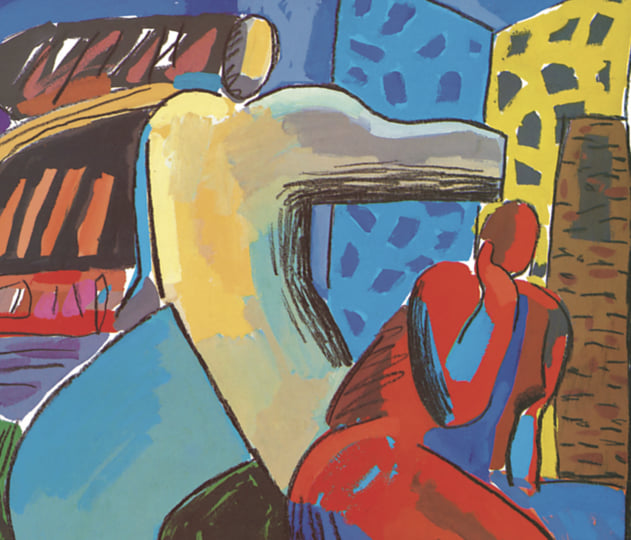
Friends Again a été votre premier groupe, qui n’a sorti qu’un seul album, « Trapped & Unwrapped », en 1984. Comment cette aventure a-t-elle commencé ?
Ce groupe du lycée, le tout premier, bien sûr, n’a mené à rien, mais j’avais l’idée que j’étais dans un groupe. À l’école, on avait un “groupe musique” le vendredi, dans une des salles, où chacun pouvait apporter son album ou son single préféré. La plupart les apportaient dans des sacs transparents, des sacs plastiques. Donc tu disais : « Oh, on écoute Iggy Pop » ou « David Bowie ». Tu étais attiré par les gens qui avaient des goûts musicaux intrigants. Le bassiste de Friends Again, et mon bon ami Neil Cunningham, était un grand fan de Bowie. Il avait Diamond Dogs. Je me souviens : « Oh, je peux emprunter ton album ? » C’est comme ça qu’on est devenus amis. « Laisse-moi le prendre à la maison et le copier sur cassette. Désolé, succession David Bowie. » Et peu après, Paul McGeechan, qui est devenu le claviériste de Friends Again. Lui aussi était comme ça. En fait, je crois que je l’ai repéré avec un petit synthétiseur, un monosynth sous le bras. On a discuté, et c’était le noyau de Friends Again à partir d’environ 1980. On avait 17, 18 ans. C’était assez bancal. Ce n’était pas très bon, mais l’attitude était la bonne. L’esprit était bon.
Comment l’album a-t-il vu le jour ?
On a continué. On s’est améliorés un peu. On a fait des démos. Petit à petit, de bonnes chansons ont commencé à apparaître. Ensuite on a rencontré James Grant, le guitariste, et Stuart, le batteur, qui étaient techniquement très bons. Ils ont fait monter tout le monde d’un bon niveau immédiatement. Leur énergie était la bonne. D’un coup, on avait un groupe viable, et il y avait énormément d’intérêt de la part des maisons de disques, surtout à Glasgow, où on était. Les labels londoniens montaient, signaient des groupes à droite à gauche, Lloyd Cole, les Bluebells, toutes sortes de choses. On s’est assez vite retrouvés avec un contrat d’édition et un contrat discographique, à peu près dans l’année qui a suivi l’arrivée de nous cinq dans le groupe. Donc oui, ça a semblé relativement facile une fois que nous… Mais il y a eu trois ou quatre ans où il ne s’est pas passé grand-chose, juste le temps d’acquérir un minimum de compétences et de se constituer un répertoire.
Je viens de regarder aujourd’hui la vidéo de « Sunkissed », où vous êtes sur la plage.
Oh oui. Je crois que c’était mon 20e anniversaire, en fait. C’était un bel anniversaire !
Vous avez l’air très jeune dans cette vidéo.
Oui, très jeune. On était très, très jeunes. Cette vidéo a disparu pendant des décennies, et elle a tout juste réapparu récemment. Il y a une note de bas de page intéressante à propos de cette vidéo. Le type qui l’a faite — il n’y avait qu’un caméraman et un réalisateur — mais le réalisateur était un type qui s’appelait Nigel Dick, et qui est devenu ensuite un réalisateur de clips immensément connu. Il a fait les fameux clips de Britney Spears, toutes sortes de choses. Je crois qu’ils nous ont eus “à l’arrache”. Si vous le cherchez sur Google, c’est du genre : « Oh là là. » Mais oui, il a très bien réussi. On était, je crois, son premier clip complet. On l’a envoyé à la plage avec les gars de Friends Again, quasiment sans budget. « Oui, fais ça et on verra. » C’était un petit clip plutôt sympa. Très simple, belle journée à Camber Sands. Je crois que c’est dans le Sussex. Oui, East Sussex. C’est magnifique.
Waouh, super souvenir. Comment l’album a-t-il marché ? A-t-il eu du succès ?
Je ne pense pas qu’on ait eu l’impression qu’il avait du succès à l’époque, mais nous voilà, 40 ans plus tard, sur le point de faire quelques concerts de Friends Again, et les billets sont partis en une heure. Il y a un grand festival à Glasgow qui s’appelle le Celtic Connections Festival en janvier. C’est un festival très populaire. On nous a demandé de jouer dans une superbe salle qui s’appelle l’Old Fruit Market. Elle peut contenir environ 1 500 personnes. Ça s’est vendu très vite… Je pense qu’ils s’attendaient à vendre deux ou trois cents, ou 400 billets, mais 1 500 billets sont partis en une heure.
Waouh, c’est génial.
C’est vraiment adorable… Les gens sont tellement demandeurs d’entendre cette musique. Pour l’album, je crois que la maison de disques cherchait un gros single “hit” pour lancer l’album. L’album a presque été retardé d’environ un an, pendant qu’on continuait à travailler dessus. La chanson « State of Art », je crois qu’ils pensaient que ce serait un énorme tube, et ça s’est arrêté quelque part vers la 40e ou 50e place dans les charts. Au moment où l’album est sorti, le moral du groupe commençait à être un peu bas parce qu’on n’avait pas le sentiment d’avoir du succès. On tournait, et on tournait. On vivait dans un van, quasiment… à faire les universités. Avec le recul, il y avait de belles salles. Une culture qui n’existe plus vraiment de la même manière aujourd’hui.
Donc vous poursuiviez vos études pendant que vous faisiez de la musique ?
Je n’ai fait qu’une année d’université, puis j’ai arrêté. Paul, le claviériste, avait fait deux ans d’électronique, il avait fini. Neil, le bassiste, avait arrêté l’urbanisme à l’école d’art. James avait fait un cursus théâtre pendant un an. Stuart était au chômage, à pointer. On était tous complètement à 100 % sur le groupe au moment où on faisait les démos, etc. On était absolument dédiés à faire en sorte que ça arrive. Je crois que nos parents nous prenaient pour des fous. Nos amis aussi, probablement. Je ne sais pas, cette foi qu’on a à 19-20 ans, que ça va marcher. On a fait assez pour que ça marche, mais on s’est séparés juste au moment où l’album est enfin sorti. On s’est dit : bon, c’est fini. Mais comme je dis, il y a encore un fort intérêt pour l’album toutes ces années plus tard. On va faire ce concert le 31 janvier. Ensuite, on a un concert d’été dans un festival en plein air avec les Bluebells, si vous vous en souvenez, de la même époque. Eux aussi ont une seconde vie, avec de nouveaux albums. Ils ont joué à Glastonbury l’année dernière, en fait. Tout va bien, en plus de tout le reste qu’on fait.
Ensuite, vous avez signé un nouveau deal avec un label, et vous avez lancé, enfin, The Bathers, comme on les connaît aujourd’hui. Comment cela s’est-il fait ?
J’avais une amie très gentille à Londres, une immense fan de Friends Again, et elle a vraiment commencé à faire circuler les démos que j’avais enregistrées. Elle les a apportées à trois ou quatre maisons de disques et, très vite, il y a eu de l’intérêt de la part de Go! Discs, un type qui s’appelait Andy McDonald, qui a ensuite eu beaucoup de succès avec le label — Billy Bragg et les La’s, The Housemartins, bien sûr. À l’écoute, je crois, de deux titres, « Fancy Dress » et « Lata’s Dream », ils ont dit : « Oui, on veut signer ça. » Avec le recul, ça semble incroyablement chanceux. Les choses se sont mises en place. Bon, ça a pris environ un an, mais assez vite pour que je sois encore dans le jeu, parce que les autres gars ont formé Love & Money, qui, je crois, a plutôt bien marché en France, si je me souviens bien. Mais ils étaient restés dans la même maison de disques, donc ils avaient un chemin clair dès le départ. J’ai eu de la chance, tout s’est assemblé grâce au travail de mon amie. J’avais l’impression que c’était exactement la bonne maison de disques pour moi. Ils m’ont fait confiance pour aller à Édimbourg et terminer l’album. Ils ne sont pas intervenus.
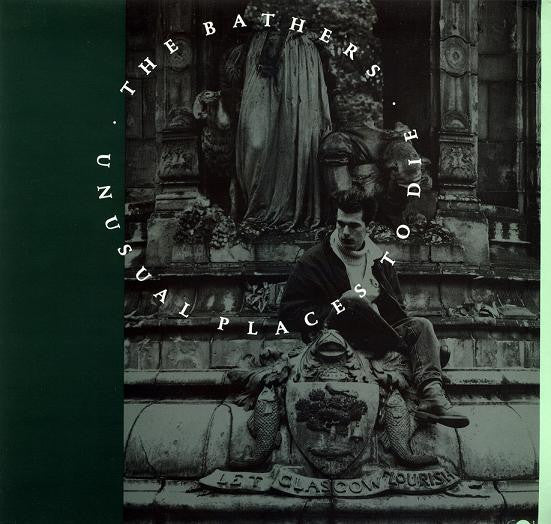
Ils ont été très constructifs dans la façon de mettre l’album en forme. Ils m’ont plus ou moins laissé faire ce que je voulais. Malheureusement, j’ai été pris dans un bras de fer politique entre maisons de disques : Go! Discs avait une maison-mère ou un partenaire, Chrysalis, mais ils ont décidé que ça ne marchait pas, donc presque du jour au lendemain, ils sont partis rejoindre un autre label. Je ne me souviens plus, Island Records ou quelque chose. Mais Chrysalis a dit : « Non, The Bathers, c’est chez nous. » Je me suis retrouvé coincé dans cette guerre de territoire entre les deux sociétés. Notre premier disque (Unusual Places to Die, 1987) est sorti et il n’y a eu aucune promotion.
C’est dommage.
Ils ne savaient pas trop s’ils avaient le disque ou pas. C’était un peu un cauchemar, mais au moins il est sorti et ça m’a permis de continuer. C’était un bon point de départ pour The Bathers.
Je l’ai réécouté aujourd’hui, et il me semble que tous les éléments que vous allez développer au fil des années sont déjà présents dans ce premier album.
Je pense que oui. C’est un premier album raisonnablement bon. C’est un ensemble solide de chansons, et certains musiciens et producteurs étaient impliqués, ce qui m’a aidé sur l’album suivant, Sweet Deceit.
Ça me paraît plus personnel que Friends Again. J’adore « Trapped and Unwrapped ». C’est vraiment super. Mais le premier LP de The Bathers, « Unusual Places to Die », c’est votre son. Ça ne ressemble à rien d’autre.
Je crois que c’est probablement vrai. C’est parce que c’est devenu une unité très resserrée entre moi et deux gars en studio, et deux amis qui passaient. En particulier, ces disques-là étaient très serrés, très personnels.
Donc, vous écrivez toutes les chansons de The Bathers ?
Oui, la plupart. Avec le temps, j’ai commencé à collaborer de plus en plus. J’ai toujours été ouvert aux idées des autres et aux bons musiciens. On réagit aux bons musiciens et aux bonnes personnes.
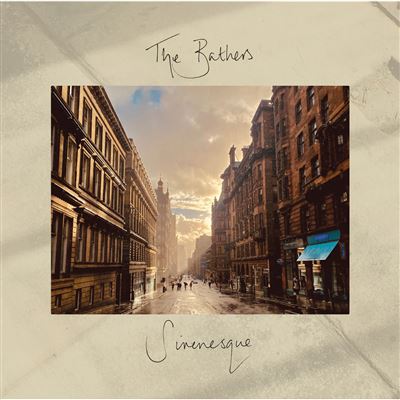
Ce qui me surprend chez The Bathers, c’est la dimension orchestrale, les cordes mêlées à votre voix. C’est vraiment difficile de réussir ce mélange. Je pense que c’est une des qualités de votre musique. Comment parvenez-vous à cette maîtrise des violons, violoncelles, et tout le reste, qui est devenue vraiment incroyable sur le dernier album Sirenesque (2023) ?
Je crois que vous avez raison, c’est un mélange assez délicat. Ça a demandé beaucoup d’expérimentations… J’avais le son d’orchestre en tête, et heureusement, on m’a présenté un très bon ensemble de musiciens à cordes. J’avais déjà expérimenté les cordes sur des albums précédents, mais sur ce dernier album, on a vraiment poussé le curseur, avec un orchestre de 24 musiciens. Certains titres, c’est uniquement orchestre et voix. Comme l’orchestre sonnait tellement bien, sur les versions CD, on a laissé quelques versions instrumentales parce qu’elles sont juste magnifiques toutes seules. Mais j’ai dû beaucoup travailler pour trouver un espace, là-dedans, pour la voix chantée. C’était quelque chose de très agréable à faire, mais c’était difficile. Ça a demandé beaucoup de pratique et, si vous voulez, beaucoup d’essais-erreurs.
J’ai écrit le premier livre sur Cocteau Twins, sorti ici en France en 2013. On travaille en ce moment sur une traduction anglaise.
Oh, fantastique. Ça a l’air super.
Quand mon groupe préféré, The Bathers, a travaillé avec Elizabeth Fraser, c’était comme un rêve qui devenait réalité.
C’est un talent absolument merveilleux, comme vous le savez, évidemment. Vraiment une personne magique.
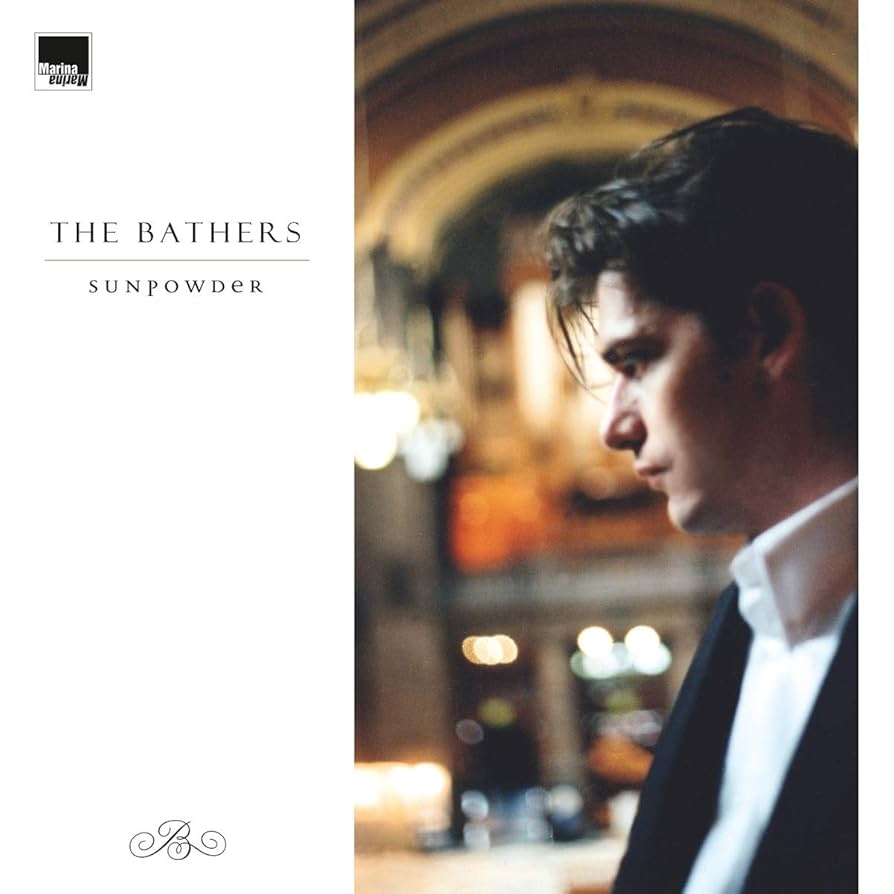
Comment en êtes-vous venu à travailler avec elle sur « Sunpowder » (1995) ? Je crois que vous l’avez fait alors que les Cocteau Twins étaient encore ensemble.
C’était vraiment à l’époque de Four Calendar Cafe, cet album allait sortir. Mais je crois qu’ils traversaient une période difficile. Liz s’était clairement séparée de Robin sur le plan romantique. C’était définitivement terminé et ça avait été très difficile pour le groupe. C’est bien documenté, comme vous le savez. Le lien, c’est un Écossais qui travaillait chez 4AD et connaissait les Cocteau Twins depuis l’époque de Grangemouth au pays : Colin Wallace. Il m’a contacté et m’a dit à quel point il avait aimé l’album Lagoon Blues, celui juste avant Sunpowder. Il a dit : « Écoutez, je vais le faire écouter à Liz. Est-ce que vous seriez intéressé par une collaboration ? » Et moi : « Waouh, ça a l’air incroyable. » Mais ça paraissait trop beau pour être vrai. Et puis un mois ou deux plus tard, il est revenu vers moi et a dit : « Liz adore l’album. Elle aimerait faire quelque chose. » À partir de là, ça a été relativement simple. Beaucoup de longues conversations téléphoniques avec Liz, avant qu’on ne se rencontre vraiment en studio. Elle est venue deux ou trois jours à Édimbourg. Heureusement pour moi, elle avait déjà travaillé aux Palladium Studios au début des Cocteau Twins. Ils y avaient fait des Eps. Je crois qu’ils y avaient même fait un album. Elle connaissait Jon Turner, qui possédait le studio. C’est un personnage génial, très drôle, très terre-à-terre, toujours à plaisanter. Liz s’y sentait à l’aise. Je dirais qu’on a eu deux ou trois jours pour apprendre à se connaître. Elle a dit : « Le meilleur moyen, c’est qu’on entre ensemble dans la salle d’enregistrement juste pour voir, qu’on joue l’un avec l’autre. » C’était une belle façon de travailler. C’était très “live”, dans l’instant. Elle réfléchissait beaucoup. Elle bidouillait. On a enregistré certaines de ses petites mises en voix sur une cassette DAT, mais on aurait dû enregistrer les échauffements de trente minutes. Juste s’asseoir et écouter Liz, c’était intimidant. Juste elle, à faire son truc, c’était merveilleux. C’était presque un disque en soi. C’était très amusant et une expérience vraiment magique de travailler avec quelqu’un que j’admirais depuis longtemps — et que j’admire toujours.
Il y a eu une période où The Bathers s’est mis en pause, entre 2001 et 2016. Pouvez-vous me dire ce qui s’est passé ?
Mes enfants ! Je faisais toujours de la musique, mais on a eu deux enfants. C’était super. Et m’occuper d’eux est devenu mon truc. Je faisais toujours beaucoup de musique, mais uniquement à la maison, au piano. Certaines idées ont probablement leurs origines dans cette période, sur le dernier album. De petits motifs de piano et des enchaînements d’accords que j’aimais. Je travaillais dès que j’avais un moment. J’ai un bon piano à la maison. Et puis, d’un coup, ces années ont passé sans qu’on sorte de nouvelle musique. Je n’ai pas fait beaucoup de concerts non plus. Je crois qu’il y a eu quelques concerts occasionnels à partir de 2008. J’ai fait quelques concerts acoustiques avec James Grant de Friends Again, Love & Money. James, je dois dire, a toujours été formidable. Il m’a aidé sur les albums de The Bathers depuis le début. Et sur Kelvingrove Baby (1997). Il a fait de très belles choses pour m’aider, voix et guitare. C’était un type immensément talentueux. J’ai toujours pensé : « J’ai au moins un album de plus de The Bathers à faire », ce qui est devenu Sirenesque (2023). Mais avant même de pouvoir le terminer, je me suis retrouvé impliqué avec les gars de Marina en Allemagne, et ils voulaient sortir Kelvingrove Baby, Sunpowder et Lagoon Blues en vinyle pour la première fois. Je les ai réécoutés et je me suis dit : « Attends, il y a plein de choses que j’aime », mais j’ai fini par réinventer beaucoup de choses, pour ma propre satisfaction créative. Certains disent : « Oh, je préfère l’original. » Pour moi, c’est juste : « Rendons ça artistique. »
Vous aimez donc réenregistrer vos chansons, faire de nouvelles versions.
Je me retrouve à faire ça. J’en ai eu l’occasion. La même chose est arrivée avec Pandemonia, de 2001. J’ai passé une grande partie de cette année à travailler dessus pour le vinyle, en me disant : « Bon, j’adore ça. Ça pourrait être mieux. » Pour ma propre satisfaction, j’ai amélioré les choses qui avaient besoin d’être améliorées. À notre époque, la version originale existe toujours, quelque part, dans le paysage numérique. C’est assez chronophage, mais d’une belle manière, d’être créativement impliqué. Les trois sorties Marina m’ont pris probablement trois mois chacune. Donc, soudain, encore une année a passé, ce qui a retardé Sirenesque, mais j’avais l’impression que c’était comme ça que ça devait être. Quand je me suis enfin concentré sur Sirenesque, tout s’est mis en place. J’ai regardé à nouveau ce que j’avais, j’ai mis de côté certaines choses, peut-être plus “full band”, guitare électrique. J’ai ramené encore davantage les cordes. J’en ai fait le centre de l’expérience. C’était l’expérience centrale de cet album. Une partie venait des gars en Allemagne. Ils voulaient sortir l’album, et je voulais faire une collaboration. Je leur ai envoyé des versions en cours, et ils ont dit : « On adore absolument ça, surtout les cordes. » Donc ça m’a donné la confiance de me dire : c’est ce que mon instinct me dit. J’ai fini par le revoir et par aller jusqu’au produit final, qui est très porté par les cordes, mais avec cette belle combinaison de quelques guitares électriques, guitares slide, que je pense avoir appris à aimer en revenant à « State of Art », quand Friends Again a utilisé un orchestre à cordes complet sur un titre. On avait fait venir Paul Buckmaster, l’arrangeur bien connu. C’était une expérience incroyable. Mais en écoutant ce titre, avec la combinaison des cordes luxuriantes et des magnifiques solos de guitare électrique, je voulais ce parfum-là dans ce que je faisais. Je pense qu’il y a des éléments de ça dans Sirenesque : la combinaison des cordes et d’un peu de lead électrique.
Je trouve que le dernier album est vraiment super. Je l’écoute beaucoup. C’est très beau à écouter. Mais vous avez fait un autre album juste avant, non ? « Summer Lightning ».
Summer Lightning, oui. C’était une période très fertile, mais qui était dans le passé. Quand on m’a demandé de rééditer Unusual Places to Die, le premier album, pour une raison ou une autre j’ai dit : « Écoutez, j’ai quelques démos et des chansons inédites. » Là encore, j’ai utilisé ça comme une occasion de retravailler certaines choses. Le morceau lui-même, « Summer Lightning », j’ai toujours aimé les couplets, mais c’était très années 80. Le son de la démo était très “cheesy”. Il y a des claviers bizarres et tout. Je l’ai retravaillé dans la forme que vous entendez sur l’album, plus piano/voix. J’ai terminé le texte. J’ai fait des choses similaires avec l’album Summer Lightning de 2022 : j’ai utilisé la base des idées originales, mais j’ai fini par réenregistrer beaucoup de voix et donner différentes prises. C’était un bel album. C’est une pièce compagne du premier album. Il s’installe à côté, comme une autre nuance.
Que signifie Sirenesque ?
C’est lié à une voix de sirène qui appelle. En tant que fan des Cocteau Twins, j’ai toujours adoré leur version de « Song to the Siren ».
Mais vous avez aussi une chanson qui s’appelle Garlands.
C’est vrai. Oui, c’était une coïncidence. Parfois on a des titres de travail. Là, au fur et à mesure que la chanson se développait, j’ai trouvé que le mot « Garlands » marchait pour le refrain. Je me suis dit : « Oui, ça va. » J’étais conscient que c’était un titre des Cocteau, mais je me suis dit : « OK, très bien. » Il n’y avait pas de lien particulier, à part que le mot siren est le même mot. C’est une belle connexion à avoir, dans ce sens. « Song to the Siren » a toujours été un de mes grands favoris. Toute la mythologie grecque autour des sirènes m’a toujours intrigué. Je l’avais comme titre de travail, et je l’ai mentionné à un journaliste deux ans avant la sortie de l’album. Il m’a dit : « Vous avez un titre de travail ? » J’ai dit : « Sirenesque. » Je n’étais pas sûr de moi. Il a dit : « Oh, c’est très Bathers. » Là encore, ça m’a donné la confiance de me dire : « Oui, j’aime bien. »
C’est un beau mot.
C’est charmant… Je crois que ce qui me freinait, c’est que je savais que Teenage FanClub avait un album qui s’appelait Bandwagonesque. Pour une raison quelconque, je me disais : « Oui, est-ce que c’est trop proche ? » Mais c’est juste joli. C’est un beau mot.
En fait, je pense que la musique écossaise est la meilleure pop-rock du monde.
On a beaucoup de talent ici.
Vous avez beaucoup de grands groupes, en Écosse : Teenage Fanclub, Jesus And Mary Chain…
Merci. Oui, ça a toujours été une scène forte, je crois. La compétition : dès qu’un groupe d’amis est dans un groupe, tu te dis : « Oh, moi aussi je peux faire ça. » L’énergie se nourrit d’un bon retour. Tout le monde s’alimente les uns les autres. Il y a une bonne scène live, il y en a toujours eu une.
Avez-vous joué en dehors de l’Écosse, en France par exemple ?
Jamais en France. J’aimerais vraiment venir y jouer. J’ai un peu joué en Allemagne et Friends Again a joué en Espagne. Pas beaucoup en dehors de l’Écosse, l’Angleterre, le Pays de Galles, le Royaume-Uni, vraiment. C’est compliqué, mais on n’a pas renoncé à venir en France, même si c’est un seul concert. Je l’espère. Oui. Eh bien, watch this space. Regardons ça. On a réussi à aller en Allemagne l’année dernière. Concert fantastique, et des gens qui aiment vraiment notre musique. Super sympas, un son incroyable. C’était organisé comme un “one-off”, depuis ici, en leur parlant. Rencontrer des gens qui nous ressemblent dans différents pays, faire arriver les choses. Oui, ça pourrait marcher.
Vous semblez aimer la langue française, parce qu’on l’entend parfois dans vos chansons.
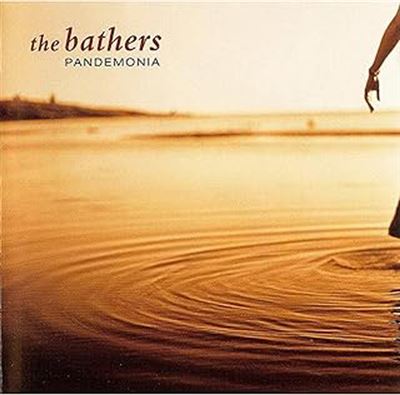
Oui, sur l’album Pandemonia. J’étais un grand fan de Marcel Proust à peu près à l’époque du premier album des Bathers, et il y a quelques titres proustien. Dans Pandemonia, on a utilisé de beaux extraits de Proust. Là encore, j’ai eu beaucoup de chance. Il y avait une Française qui vivait à Glasgow, une amie d’une amie. Je cherchais quelqu’un pour faire ça. Elle n’avait jamais fait d’acting ni de musique. Elle était prof. Elle a dit oui, mais elle vivait justement une rupture très douloureuse. Donc son émotion était… J’ai écouté ses performances, et il y en a une qui était juste capturée. Une ou deux prises, et elle était absolument brillante dessus. Et en français. Fait intéressant : l’usine de pressage vinyle en Écosse est tenue par un Irlandais et sa femme française, Dominique. Quelqu’un qui parle français nativement m’a rapporté directement : « Oh, elle a l’air de parler un français très “posh”. Je ne sais pas. C’est bien écrit comme ça ? » Parce que moi, je ne saurais pas. Pour moi, ça sonne comme un beau français. Je sais que ce n’est pas du français argotique. Évidemment, elle lit Proust. Mais c’était intéressant d’entendre ça. Moi, je ne l’entends jamais comme un francophone. Je l’entends juste comme un beau son. J’aime me connecter aux mots à travers la façon dont elle les a dits.
Vous m’avez parlé des concerts en Écosse. Qu’est-ce qui arrive ensuite pour votre groupe ?
Eh bien, The Bathers va jouer quelques concerts en Écosse, on retournera probablement à Londres à un moment. Je travaille actuellement sur la suite de Sirenesque, prévue pour l’automne de cette année. Je suis encore au stade où je peux partir dans différentes directions. J’ai de très belles choses avec les cordes, mais est-ce que je veux peut-être mélanger un peu ? Je ne sais pas. On verra où m’emmènent les énergies créatives, et ce qui sonne le mieux, mais c’est bien avancé. Quand l’album sortira, on fera, espérons-le, quelques concerts avec le groupe au complet pour le promouvoir. Je pense qu’octobre, ça semble juste.
Votre musique est très sensible, très brute. J’ai l’impression que les émotions débordent de la musique. C’est ce que j’aime beaucoup. On sent que vous mettez beaucoup de vous dedans.
Oui, je pense que, en particulier, le deuxième album, Sweet Deceit, était très brut et très honnête. Je crois que j’ai gardé ça, mais l’astuce, c’est d’essayer de ne pas perdre de vue une douceur mélodique, et d’autres choses, ce qu’on a, je l’espère, réussi à réunir sur Sirenesque. Il y a beaucoup de choses émotionnelles, honnêtes. Parfois c’est personnel pour moi, mais aussi très universel. Ce sont des expériences universelles : les personnes qu’on aime, les lieux qu’on aime, la musique qu’on aime, les livres qu’on aime. Ce sont des choses profondément humaines. On canalise ça dans la musique de façon honnête.
Un grand merci à Chris Thomson pour cette interview !
The Bathers: Scotland’s best-kept secret in pop
Anyone who has never heard the warm, deeply moving timbre of Chris Thomson, singer and songwriter of the Scottish group The Bathers, is very lucky. In a lyrical and poetic vein, alternating between guitar, piano, trumpet or symphony orchestra, the group has released since its creation in 1987 a series of magnificent albums, complemented by a best-of in 2001, and a latest opus released in 2023 entitled Sirenesque. From his adolescence in the midst of the punk era to his collaboration with former singer of the legendary Cocteau Twins, Liz Fraser, Chris Thomson looks back on the creation and trajectory of a group that has so far enjoyed more critical than public success, and which remains above all famous on the Glasgow scene. A state of affairs one can only regret, as this music—often deeply moving, always exhilarating—is the work of an artist who does not hesitate to lay himself bare.
Lightofmylife : First, I want to thank you for granting me this interview. It’s really great to talk to you. I’ve been listening to your music for a long time, so it’s quite an honor.
Chris Thomson : That’s fantastic to hear. Thank you so much.
I’d like to know, when did you start playing music?
I didn’t take up music until I was about 15 years of age. We were teenagers in school when someone suggested: let’s make a band, let’s form a band. No one could play any instrument. But at that time, punk rock was the thing, so it didn’t matter so much. It was more about an attitude. I had the desire to make my own songs. It came about from that. We were four or five friends who were all in the same situation, couldn’t play, but we wanted to play. We learned a little bit from each other. It took a few years to actually get the basics, but we got there. It was about age 15 or so, which for me is 1977, I would say. ’77, ’78, we got serious about that.
Did you actually take music lessons or did you learn by yourself?
We never took music lessons. I remember at school, they had the recorder, that was the basic music lessons, and I failed the audition, which was not a good start. I think the teacher asked us to sing something. I was just so nervous. A bit later, maybe four or five years later, I did take a couple of singing lessons in London with a very well-known teacher who also taught Johnny Rotten, the Sex Pistols, and Boy George, Edwyn Collins…and Liz Fraser!
Tona de Brett was her name, in North London, Highgate. So I did take a couple of lessons. But that was very much a record company thing. “Everyone should take singing lessons now”. But essentially, we were self-taught and learning from the other bands. That’s the way we did it.
I’m also a big fan of XTC, I wanted to know if that band was important to you.
Well, in the punk area, we loved XTC about ’78 when we were just trying to get started. I think I can see a link between them and Talking Heads as an American version of XTC. It was guitar music, it was pop, but it was very experimental, very interesting, very intelligent lyrics. I wouldn’t say I was a massive fan in the sense of I bought everything, but they were very much on the radar. That’s something we really loved when we were hearing from them.
Which was the band that you liked most in that time?
At that time, we got heavily into, apart from the obvious things like David Bowie, Velvet Underground, more contemporary bands, the things like Orange Juice, Aztec Camera, guitar-driven, interesting music with a punky edge. They were almost our contemporaries, just maybe a little bit ahead of us. We were listening to Pale Fountains, the Liverpool bands. The Smiths, I loved This charming man, but I was never a big fan. I was never in love with The Smiths. But I loved the Liverpool bands and the Glasgow and Edinburgh bands.
Friends Again was your first band that published only one album “Trapped & Unwrapped” in 1984. How did that adventure begin?
Well, that school band, the initial band, of course, came to nothing, but I had the idea I was in a band. At school, we used to have the music group on Friday in one of the classes where you could bring in your favourite album or single. Most people brought them in see-through bags, plastic bags. So you said, Oh, let’s listen to Iggy Pop or David Bowie. You were drawn to people with intriguing music taste. The bass player from Friends Again, and my good friend Neil Cunningham was a big Bowie fan. He had Diamond Dogs. I remember like, oh, can I borrow your album? That’s how we became friends. Let me take it home and tape it. Sorry, David Bowie estate. Then shortly after that, Paul McGeechan, who became the keyboard player with Friends Again. He was similar. Actually, I think I spotted him with a small synthesizer, a monosynth under his arm. We got chatting, and that was the core of Friends Again from about 1980. We were 17, 18. It was pretty shambolic. It was not very good, but the attitude was right. The spirit was good.
How did the album come about?
We kept going. We got a bit better. We did some demos. We gradually had some decent songs coming through. Then we met James Grant, the guitarist, and Stuart, the drummer, who were technically very good. They brought everyone up a good level immediately. Their energy was right. Suddenly we had a viable band, and there was a huge amount of record company interest around, particularly in Glasgow, where we were. The London record companies were coming up, signing bands here and there, Lloyd Cole, the Bluebells, all sorts of things. We were quite quickly on a publishing deal and record contract within about a year of getting the five of us in the band. So, yeah, it seemed relatively easy once we… But there was three or four years of nothing much happening, just getting a little bit of a skill set it and building up a body of work.
I’ve just watched today the video of “Sunkissed” when you’re on the beach.
Oh, yeah. I think it was my 20th birthday, actually. It was a nice birthday!
You look very young in this video.
Yeah, very young. We were very, very young. That video disappeared for decades, and it just has recently reappeared. There’s an interesting footnote to that video. The guy who actually made it, there was only a cameraman and a director, but the director was a guy called Nigel Dick, who went on to become an immensely successful video director. He did the famous Britney Spears videos, all sorts of things. I think they got us in Roses. If you Google him, it’s like, oh, my goodness. But yeah, he did well. We were his first full video, I think. He was sent to the beach with the Friends Again guys, almost no budget. Yeah, just do this and see what happens. It was quite a nice little video. Very simple, beautiful day on Cambersands. I think Sussex is that. Yeah, Sussex or Kent. It’s lovely. (East Sussex).
Wow, that’s great, great memory. How did the album do? Did it have some success?
Well, I don’t think we felt it was having success at the time, but here we are, 40 years later, about to do a couple of Friends Again gigs, and it sold out in an hour. There’s a big festival in Glasgow called the Celtic Connections Festival in January. It’s a popular festival. We were asked to do a great venue called the Old Fruit Market. It’s about 1,500 people. It sold out really fast… I think they thought we’d sell two or three hundred or 400 tickets, but 1,500 tickets went in an hour.
Wow, that’s great.
It’s really lovely… People are so hungry to hear the music. About the album, I think the record company was looking for a big hit single to launch the album. The album was almost delayed for about a year when we kept working at it. The song “State of Art”, I think they thought it was going to be a massive hit, and it stalled somewhere in probably the ’40s or ’50s in the charts. By the time the album came out, the morale of the band was getting a bit low because we didn’t feel we had any success. We were touring and touring. We were living in a van, almost…going to universities. Looking back, there were some nice venues. A culture that doesn’t really exist in the same way nowadays.
So you were continuing your studies while you were making music?
I only did one year of university and then dropped out. Paul, the keyboard player, had done an electronics degree for two years he’d finished. Neil, the bass player, had dropped out of town planning at the art school. James had done a theatre course for a year. Stuart was just on the dole signing on. We were all completely just doing the band 100% by the time we did the demos and things. We were absolutely dedicated to making it happen. I think our parents thought we were crazy. Our friends probably thought we were crazy, too. I don’t know that belief you have when you’re 19-20, that it’s going to work. We did enough to make it work, but we broke up just as the album was released, finally. We thought, well, that’s the end of it. But like I say, there’s still a strong interest in the album all these years later. We’re going to do this gig on the 31st of January. Then we have a summer concert in an outdoor festival with the Bluebells, if you remember them from back in the same era. They’re having a second lease of life as well with new albums. They played Glastonbury last year, actually. It’s all good. It’s all good on top of everything else we’re doing.
Then after that, you signed a new deal with a record label, and then you launched, finally, the Bathers, as we know them today. How did that come about?
I had a very kind friend in London who was a big, big Friends Again fan, and she really started touting the demos I’d done. She took them to three or four record companies and very quickly got interest from Go! Discs, a guy called Andy McDonald, who went on to have great success with the label Billy Bragg and the La’s, the Housemartins, of course. On hearing, I think it was two tracks, “Fancy Dress” and “Lata’s Dream”, they were like, Yeah, we want to sign this. Looking back, it seems incredibly fortunate. They just fell together. Well, it took about a year or so, but quick enough that I was still in the game because the rest of the guys formed Love & Money, who I think did quite well in France, if I remember. But they were kept on by the same record company, so they had a clear path to begin with. But I was lucky the record thing came together through the good work of my friend. It felt like they were just exactly the right company for me. They trusted me to go to Edinburgh and finish the album. They didn’t interfere.
They were very constructive with putting the album together. They more or less let me do what I wanted to do. Unfortunately, I was caught in a record company political tug of war, where Go! Discs had a parent company or a partner company, which was Chrysalis, but they decided it wasn’t working, so almost overnight, they left to join another label. I can’t remember, Island Records or something. But Chrysalis said, no, the Bathers are part of us. I was caught in this turf war between the two companies. The record (Unusual Places to Die, 1987), came out and there was no promotion.
That’s too bad.
They weren’t quite sure if they had the record or not. It was a bit of a nightmare, but at least the record came out and it kept me going. It was a good starting point for The Bathers.
I just listened to it again today, and it seems to me that all the elements that you’re going to develop in the further years are all present already in the first album.
I think so. It’s a reasonably good debut album. It’s a strong bunch of songs, and certain players and producers were involved that helped me on the follow-up album, Sweet Deceit.
It seems more personal than Friends Again. I really love “Trapped and Unwrapped”. It’s really great. But the first LP from The Bathers, “Unusual Places to Die”, it’s your sound. It doesn’t resemble anything else.
I think that’s probably true. It’s because it became a very tight unit between me and a couple of guys in the studio and a couple of friends who dropped in. Particularly, those records were very tight and very personal.
So you write all the songs in The Bathers?
Yes mostly. As time went on, I started to collaborate more and more. I’ve always been open to other people’s ideas and good players. You respond to good musicians and good people.
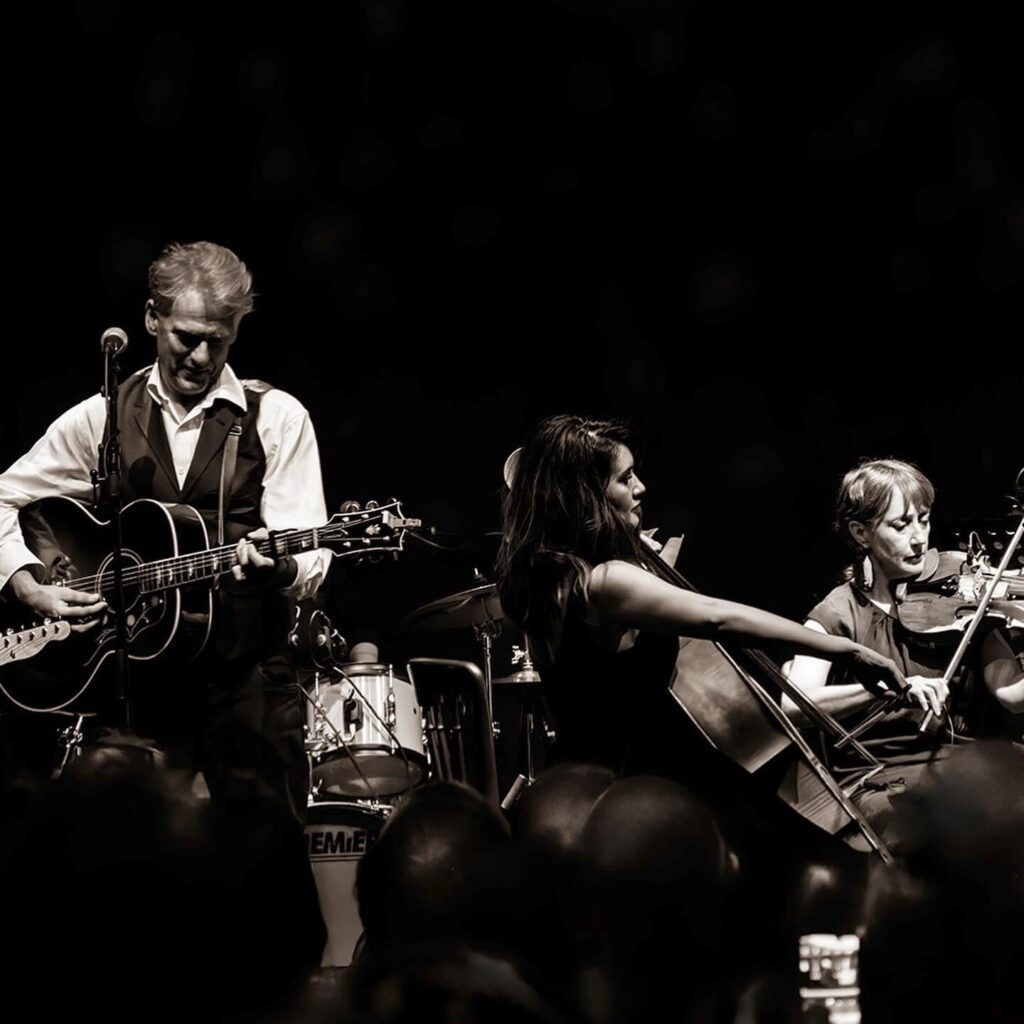
What I find surprising in The Bathers is the orchestral sound, the strings mixed with your voice. It’s really hard to do that mix. I think it’s one of the qualities of your band. How do you achieve this mastery of violins, cellos, and everything, which has become really incredible in the last album “Sirenesque” (2023)?
I think you’re right, it’s quite a tricky mix. It took a lot of experimenting with… I had the orchestra sound in mind, and luckily, I was introduced to a very good set of string players. I’d experimented with strings before on earlier albums, but with this latest album, we went full-end, really, with a 24-piece orchestra. Some tracks are only orchestra and voice. Because the orchestra sounded so good, on the CD versions, we left some instrumental versions because they just sound lovely on their own. But I had to work it a lot to find a space within it for the singing voice. It was a lovely thing to do, but it was tricky. It took a lot of practice and, if you like, trial and error.
I wrote the first book about Cocteau Twins which came out here in France in 2013. We’re actually working on an English translation right now.
Oh, fantastic. That sounds great.
When my favourite band, The Bathers, worked with Elizabeth Fraser, it was like a dream come true.
She was just absolutely a wonderful talent, as you know, obviously. Just a magical person.
How did you come to work with her on « Sunpowder » (1995)? I think you made it when the Cocteau Twins were still together.
It was really around the time of For Calendar Cafe, that album was about to come out. But I think they were in a difficult place. She’d certainly split up with Robin as a romantic partnership. That was definitely over and had been very difficult for the band. That’s well documented, as you know. The connection was that a Scottish guy who worked at 4AD and had known the Cocteau Twins since the Grangemouth days back at home. Colin Wallace contacted me and said how much he had loved the Lagoon Blues album, the one just before Sunpowder. He said, Look, I’m going to play it to Liz. Would you be interested in a collaboration? I was like, Wow, that sounds amazing. But it sounded too good to be true. But a month or two later, he got back and said, Liz loves the album. She’d love to do something. From there, it was relatively straightforward. A lot of long phone conversations with Liz before we only actually met in the studio. She was up for two or three days in Edinburgh. Luckily for me, she had worked in PalladiumStudios before from early Cocteau Twins. They’d done Eps there. I think they’d even done an album in there. She knew Jon Turner, who owned the studio. He’s a great character, very funny, very down to earth, always joking. Liz felt comfortable there. I’d say we had two or three days to get to know each other. She said, The best way to do it is we go into the recording room together just to see what let’s play off each other. It was a nice way of working. It was very much live in the moment. She did a lot of thinking. She would mess about. We recorded some of her little warm-up things on DAT tape, but we should have got the half-hour warm-ups. Just to sit and listen to Liz was daunting. Just her doing her thing was just wonderful. It was a bit of a record within itself. It was great fun and real magical experience to work with someone who I’d admired for a long time and still do.
There was a gap of time in which the band seemed to be in hiatus between 2001 and 2016. Can you tell me what happened?
Children! I was still doing music, but we had two small children. It’s just great. That became my thing of looking after the kids. I was still doing a lot of music, but purely at home working on the piano. Some of the ideas have probably had their origin within that period on the latest album. Just little piano motifs and chord progressions that I liked. I was working when I had a spare moment. I have a nice piano at home. But yeah, so the next thing you know, those years have gone past without releasing any new music. I didn’t do very many gigs either. I think there was occasional gigs from about 2008. I did a few acoustic shows with James Grant from Friends Again, Love & Money. James, I must say, had always been great. He helped me with The Bathers’ albums from the start. And for Kelvingrove Baby (1997). He did some lovely things to help me, voice and guitar. He was a hugely talented guy. I always thought, I’ve got at least one more Bather’s album to do, which became Sirenesque (2023). But before I even got to finish it, I got involved with the Marina guys in Germany, and they wanted to issue Kelvingrove Baby, Sunpowder, and Lagoon Blues on vinyl for the first time. I listened to them and I thought, wait, there’s a lot of things I like, but I ended up reinventing a lot of stuff for my own creative satisfaction. Some people say, Oh, I like the original. To me, it’s just, let’s make it artistically.
You actually like to record your songs again, to make new versions.
I find myself doing that. I’ve had an opportunity. The same thing happened with thePandemonia record from 2001. I’ve spent a lot of this year looking at that for the vinyl and saying, Well, I love that. That could be better. To my own satisfaction, I’ve improved the things that needed improving. In this age, the original version still exists out there in the digital landscape. But it’s quite time consuming, but in a lovely way to be creatively involved. The three Marina releases ended up taking me probably three months each. So suddenly another year has gone past, which delayed Sirenesque, but I felt it was meant to be. By the time I really focused on Sirenesque, everything fell into place. I looked again at what I had and I set some things aside, which were maybe more full band-driven electric guitar. I brought the string things even more. I made them the centre of the experience. That was the core experience for that album. Part of it was held by the guys in Germany. They wanted to release the album, and I would have loved to do some collaboration. I sent them work in progress, and they said, Well, we absolutely love this, particularly the strings. So that did give me the confidence to go, that’s what my gut instinct is telling me. I ended up reviewing it and getting to where it finally the finished product, which is very string-driven, but that nice combination of some electric guitars, slide guitars, which I think I learned to love going back to “state of art “when the one track Friends Again used a full-blown string orchestra. We brought Paul Buckmaster in, the well-known arranger. That was an amazing experience. But listening to that track with the combination of the lush strings and the beautiful electric guitar solos I wanted the flavour of that and what I was doing. I think there’s elements of that in Sirenesque, the combination of strings and some lead electric.
Well, I think the last album is really great. I’ve been listening to it a a lot. It’s really beautiful to listen to. But you did another album right before, right? “Summer Lightning”.
Summer Lightning, yeah. There’s another period of time that was well spent, but it was time gone. When I was asked to re-issue Unusual Places to Die, the first album, for some reason I said, look, I’ve got some demos and some unreleased songs. Again, I used it as an opportunity to rework some things. The track itself, “Summer Lightning”, I’d always liked the verses, but it was very ’80s. The sound of the demo was very cheesy. It’s got funny keyboards and things. I rework it in the form that you hear in the album with more just piano voice. It’s finished off the lyric. I did similar things with the Summer Lightning album from 2022, I used the basis of the original ideas, but ended up re-recording a lot of voices and just giving different takes. That was a nice album. It’s a companion piece to the debut album. It just sits alongside it as a different shade.
What does Sirenesque mean?
Well, it’s related to a siren voice calling. As a Cocteau Twins fan, I’ve always loved their version of “Song to the Siren”.
But you also have a song called “Garlands”.
That’s true. Yeah, that was coincidental. Sometimes you have working titles for something. In this case, the working title, as the song developed, I found the words Garlands worked for the chorus. I was like, Yeah, that’s fine. I was aware that it was a Cocteau’s title, but I thought, okay, fine. There was no particular connection except that the word siren is the same word. It’s a nice connection to have in that sense. “Song to the Siren” was always a great favorite of mine. The whole Greek mythology around the Sirens has always intrigued me. I think I had it as a working title, and I mentioned it to a journalist a couple of years before the album came out. He said, Do you have a working title? I said, Sirenesque. I wasn’t sure. He was like, Oh, that’s very Bathers. Again, it just gave me the confidence to go, Yeah, I like it.
It’s a beautiful word.
It’s lovely… I think the thing that put me off thinking was I knew that Teenage Fan Club had an album called Bandwagonesque. For some reason, I thought, Yeah, is that too close? It’s just nice. It’s a lovely word.
Actually, I think Scottish music is the best pop-rock music in the world.
We’ve got a lot of talent here.
You have a lot of great bands, actually, in Scotland, Teenage Fanclub, Jesus And Mary Chain…
Thank you. Yeah, it’s always been a strong scene, I think. The competition, once you’ve one set of friends are in a band, you’re like, Oh, I could do that too. The energy goes into a nice feedback. Everyone’s feeding from one another. There’s a good live scene, there always was.
Did you play outside of Scotland, in France for instance?
Never in France. I’d always love to come and play in France. I played in Germany a bit and Friends Again played in Spain. Not much outside Scotland, England, Wales, United Kingdom, really. It’s tricky, but we haven’t given up on getting to France yet, even if it’s one gig. I hope so. Yeah. Well, watch this space. Let’s look at that. We managed to go to Germany last year. Fantastic gig and people who just love our music. Super friendly, amazing sound. That was just organised as a one-off from here, speaking to them. Meeting out to like-minded people around different countries and things, make things happen. Yeah, it could work.
You seem to like the French language because we sometimes hear it in your songs.
Yes, on the Pandemonia album. I was a huge fan of Marcel Proust from roughly the time of the first Bathers album, and there’s a few Proustian titles. In Pandemonia, we used some nice extracts from Proust. Again, I got very lucky. There was a French lady living in Glasgow who was a friend of a friend. I was looking for someone to do those for us. She had never worked in acting or music. She was a teacher. She said, Yeah, but she happened to be going through a very painful breakup. So her emotion was… I just listened to her performances, and there’s one that was just caught. One or two takes, and she just was absolutely brilliant on it. And doing the French. Interestingly, the pressing plant for vinyl in Scotland is run by an Irish guy and his French wife, Dominique. Someone who is a native French speaker reported to me directly and said, Oh, she sounds very posh French. I don’t know about it. Is that how it’s written? Because I wouldn’t know. It just sounds like a lovely French to me. I think she got a beautiful tone to her voice. I knew it wasn’t slang French. It’s just obviously she’s reading from Proust. But it was interesting to hear that take. I would never hear it as a French speaker. I just hear it as a beautiful sound. I love connecting to the words the way she performed it.
You told me about the gigs in Scotland. What’s coming next for your band?
Well, The Bathers have a few gigs in Scotland, we’ll probably go back to London at some point. I’m currently working on the follow-up to Sirenesque which is scheduled for the autumn of this year. I’m still at the point where I could take it in different directions. I’ve got some really lovely string things, but do I want to maybe mix things up? I don’t know. We’ll see where the creative energies take me, really, and what’s sounding best, but it’s well underway. When the album comes out, we’ll hopefully do some concerts with the full band to promote that. I think in October, it sounds about right.
Your music is very sensitive, it’s very raw. I feel the emotions are pouring out of the music. That’s what I really like about it. I think you’re putting a lot of yourself in it.
Yeah, I think, particularly the second album, Sweet Deceit, was very raw and very honest. I think I’ve kept that, but I think the trick is to try and make sure you don’t lose sight of a melodic sweetness and things, which hopefully on Sirenesque, we brought those elements together. There’s a lot of honest emotional things. It’s not just personal to me. Sometimes it’s things that are personal to me but are very universal as well. It’s just universal experiences of the people you love, the places you love, the music you love, the books you love. Those are all absolutely human things. You channel that into the music in an honest way.
Many thanks to Chris Thomson for this interview!


